Women's-health education should start before women are forced to search for answers alone.
Students encounter periods,
contraception, sexual health,
fertility questions, mental wellbeing,
pelvic health and hormonal change
throughout education and early adulthood.
Yet much of what they learn is fragmented,
inconsistent or discovered only
after a problem appears.

Young women should not have to build their health knowledge from social media fragments.
Education can help students understand what is normal, what may need attention, where to seek help and how their health changes over time.
Knowledge gaps
Students may leave education knowing very little about their own reproductive, hormonal or pelvic health.
Misinformation
Social platforms can become the default health classroom when structured education is absent.
Sensitive subjects
Intimate health, periods and sexual wellbeing are often easier to explore privately.
Long-term impact
Health literacy developed early can influence decisions for decades afterwards.
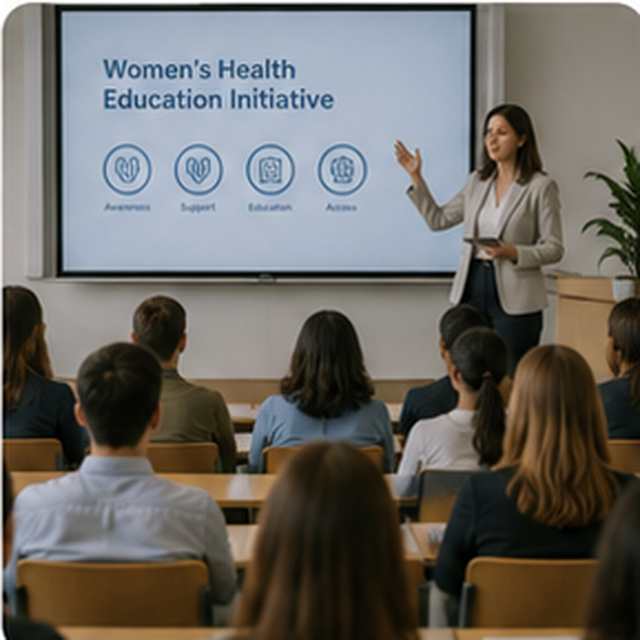
Give students something they can continue using privately.
A seminar can create awareness. A digital resource can remain available when the student later has a real question about her own health.
- ✓ Self-directed learning
- ✓ Private access to sensitive topics
- ✓ Interactive educational tools
- ✓ Life-stage education
- ✓ Reliable health signposting
Women's-health education that is useful beyond the classroom.
Student learning pathways
Structured learning around age-appropriate women's-health subjects.
Student wellbeing resources
Give students private access to educational resources alongside existing support services.
Curriculum support
Complement appropriate health, wellbeing or life-skills education with reusable resources.
Staff education
Support teachers, tutors, wellbeing teams and student-support professionals.
Awareness campaigns
Build lasting educational resources beneath campus or student-health campaigns.
Signposting & support
Help students understand when to seek professional, safeguarding or medical support.
Education, student support and research can reinforce one another.

Translate knowledge into something students can use.
Academic expertise can support clear, accessible public education.

Build programmes with academic input.
Universities can contribute research, review and educational expertise.
Women's health is much broader than reproductive biology.
Education can evolve with age, setting and student need.
- ✓ Menstrual health
- ✓ Contraception & reproductive health
- ✓ Sexual health & wellbeing
- ✓ Fertility awareness
- ✓ Pelvic & intimate health
- ✓ Hormones & life stages
- ✓ Women's mental wellbeing
- ✓ Healthy relationships with healthcare
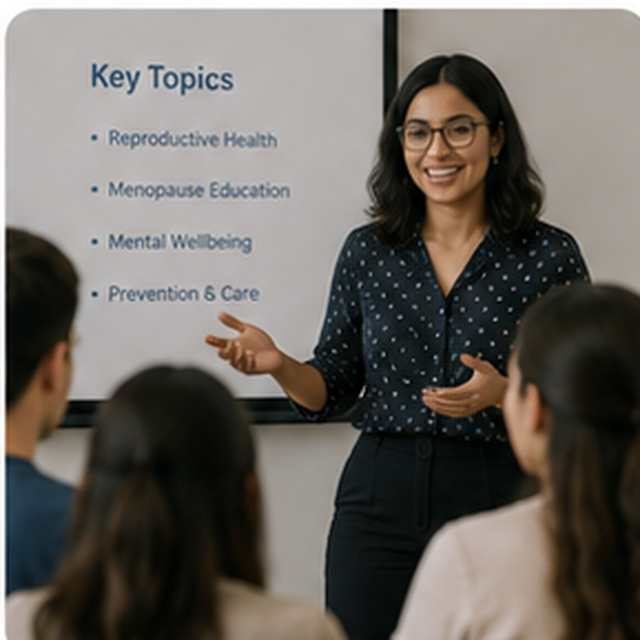
Start small. Build around the educational need.
Student Resource Partnership
Give students access to selected women's-health educational resources.
- ✓ Student resource area
- ✓ Health topic pathways
- ✓ Private self-directed learning
- ✓ Appropriate signposting
Women's Health Education Programme
Build a structured programme around a defined student population or educational objective.
- ✓ Structured learning pathways
- ✓ Interactive resources
- ✓ Awareness activities
- ✓ Staff-support materials
- ✓ Student wellbeing integration
Campus Women's Health Partnership
Explore a broader long-term relationship spanning education, wellbeing and research.
- ✓ Multiple student pathways
- ✓ Staff education
- ✓ Campaign collaboration
- ✓ Academic participation
- ✓ Research discussions where appropriate
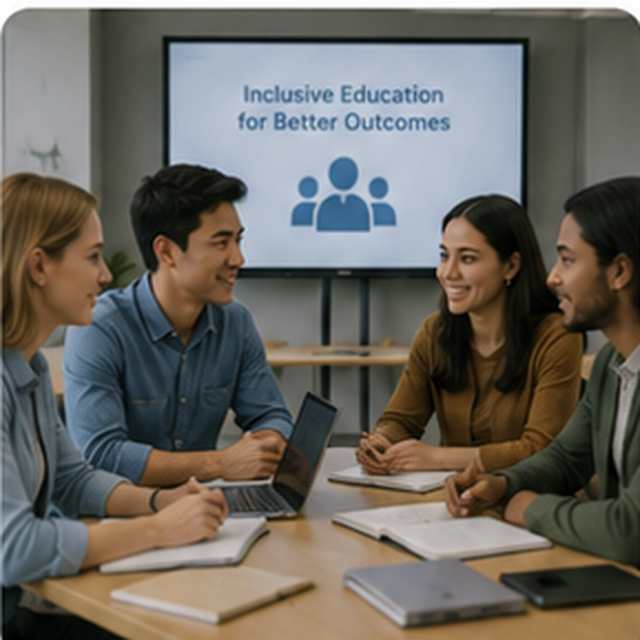
Sensitive subjects require thoughtful boundaries.
Education should be appropriate to age, setting, safeguarding requirements and institutional governance.
- ✓ Age-appropriate learning
- ✓ Clear educational boundaries
- ✓ Appropriate safeguarding
- ✓ Evidence-led content
- ✓ Inclusive language
- ✓ Clear signposting to professional support
Begin with one student-health priority.
Build on a women's-health learning platform already in motion.
Silvery Blue already contains substantial educational resources, interactive tools and structured learning infrastructure.
What do your students need better health education about?
Tell us about your institution, your student population and the women's-health education or wellbeing priority you would like to explore.
Suggested fields: Name · Work Email · Institution · Role · Institution Type · Student Age / Population · Women's Health Topics · Education / Wellbeing Objective · Partnership Interest

Learn earlier.
Understand more.
Make better health decisions for life.
Let's explore how Silvery Blue can help your students build stronger women's-health knowledge before they need it most.